
Your Community, Your Meetings

Begun in 2025, Anchorage was one of two cities nationwide selected to participate in the Democracy Innovations for Better Public Meetings project. This partnership with the Federation of Community Councils, YWCA Alaska, National Civic League’s Center for Democracy Innovation, and the arts-based initiative Perfect City aims to improve how public meetings are experienced by community members, elected officials, and municipal staff.
 

Thanks to funding from the AAA-ICDR Foundation, Better Public Meetings builds on national efforts to make public meetings more civil, effective, and connected to community values.

Step 1 - Civic Infrastructure Scan

The Civic Infrastructure Scan explores the factors influencing public meetings and the relationship between residents and local institutions. The scan is a qualitative research methodology that encompasses the recent history of engagement, assets and capacities present in the community, demographic shifts, and the state of democracy in civic associations and digital networks. There was also semi-structured qualitative interviews with key local leaders from different sectors, media and social media analysis, and review of reports, plans, and other documents related to engagement.


Additionally Civic Engagement Scorecard was implemented at Spenard and Northeast Community Councils as an ongoing source of data on resident attitudes toward meetings and the community generally. The Scorecard is a quantitative, “user-centered” ratings tool hosted on the Alchemer platform. It gave people an easy-to-use tag-based system to rate the quality of democracy and civic health in their public meetings and offers various ways to visualize collated data. 


Read the report to see the full recommendations.

Step 2 - Research Update and Community Conversation

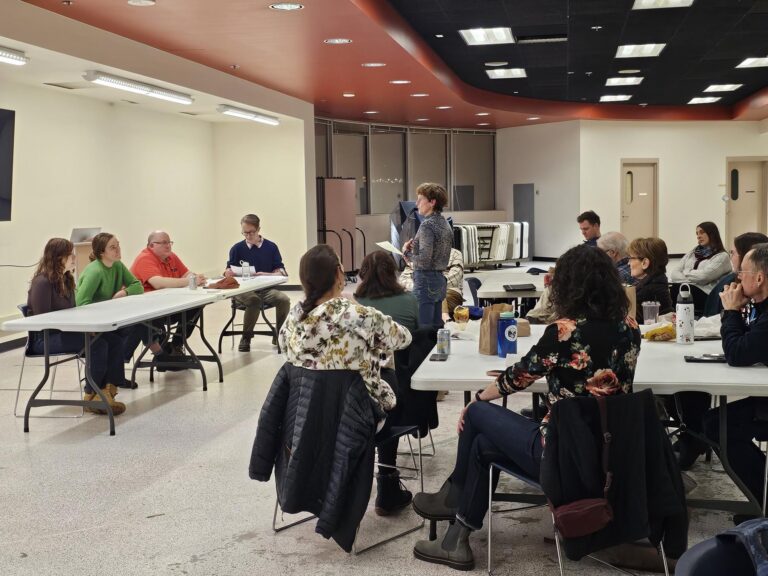
On January 29, 2026, 31 residents participated in a civic arts exercise of ‘walking a mile in each other’s words’, with people acting out and reading different interactions from a real transcript of a public meeting. This exercise was hosted by Perfect City, with the goal of making the session fun while also opening a dialogue about how we interact in formal meetings and what we might want to change about the structure and relationships meetings currently embody.


The group then pivoted to roundtable discussions on what meaningful civic participation looks like, covering what works in community councils, where the current system falls short, and what could realistically change in the next 6–18 months.


Check out the full presentation.


Step 3 - Training for Facilitators

During the research phase of the Anchorage Better Public Meetings project, themes related to addressing difficult conversations emerged: new people attending a meeting for the first time and experiencing contention that discouraged future attendance; some meetings being taken over by loud, dominant voices; and hearing from the most involved people in the community over other voices. These concerns indicate a need to strengthen the design and facilitation of these structured conversations within Anchorage’s community councils.


We knew good conversations already happening, but that community leaders needed techniques to create welcoming spaces where everyone is heard.

A workshop was designed for community council leaders in particular, but the event was open to anyone – other civic organizers, facilitators, and volunteers who design and lead public conversations. On Saturday, August 29th, 2026 speakers included Nick Vlahos and Christopher Boose from the National Civic League’s Center for Democracy Innovation (CDI), Aaron Landsman from Perfect City, and Arianna Bellizzi from Federation of Community Councils.


The course covered

      1. Framing the Topic and Creating an Outreach Plan
      2. Designing an Accessible and Inclusive Process & Space
      3. Structuring and Guiding Discussions for Civil Dialogue
      4. Facilitation Tools and Action Planning
      5. Using Creative Tools to Make Civic Meetings Joyous


 The full course was recorded and made available as an ongoing educational material for community councils.

Close Search Window
↑